Expanding access to transformative, entrepreneurial, and lifelong learning across Africa.
UN goal statement
Ensure inclusive and equitable quality education and promote lifelong learning opportunities for all.
Overview
Quality education sits at the heart of ALU’s mission. ALU’s learning model is designed to prepare young people and working professionals to lead with purpose, solve real problems, and build meaningful careers across Africa and the world.
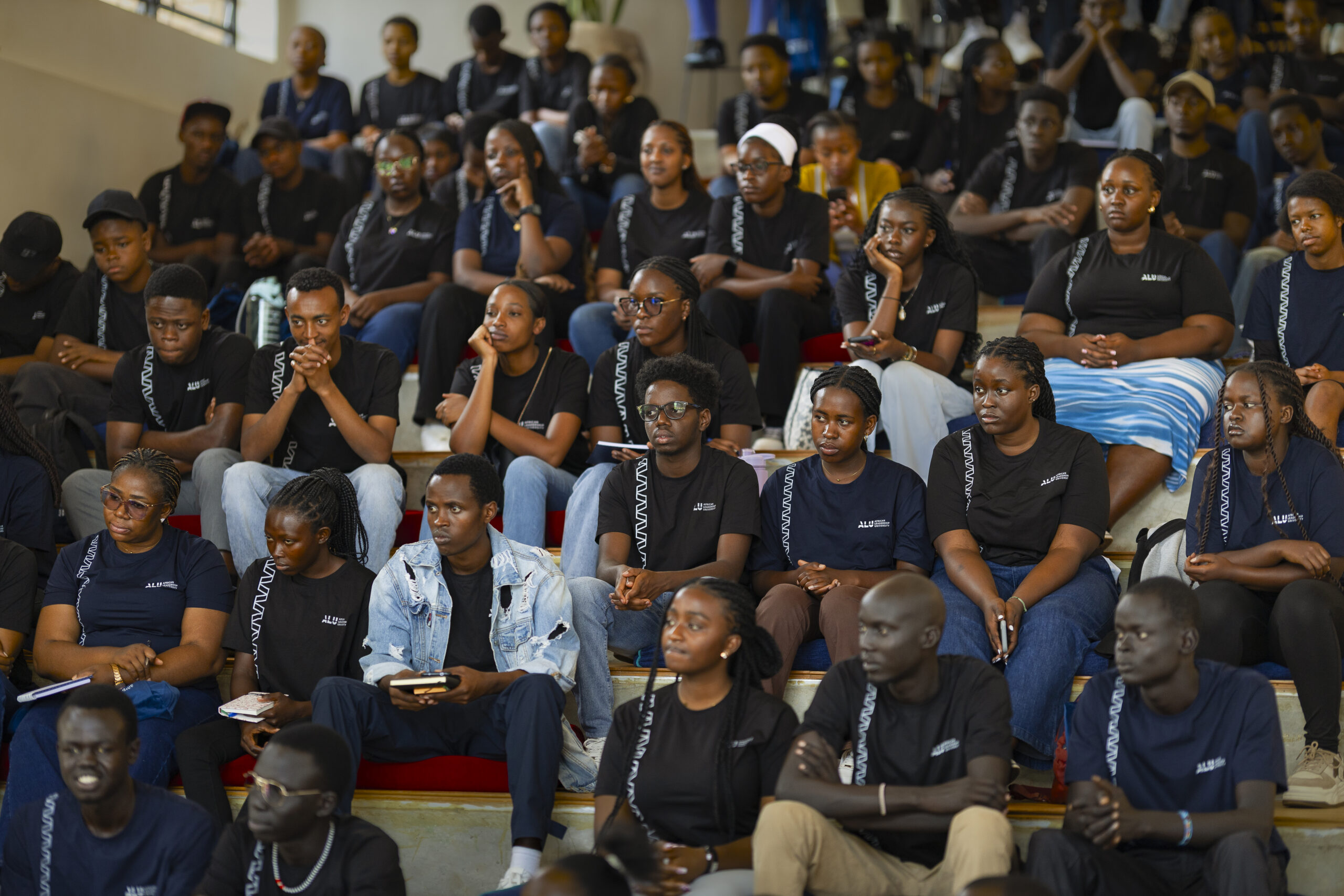
Through undergraduate programmes, executive education, entrepreneurial leadership development, student professional development, public learning opportunities, and outreach beyond campus, ALU connects education with practice. Students learn through projects, ventures, internships, community engagement, leadership experiences, and exposure to the people and industries shaping Africa’s future.
ALU’s contribution to SDG 4 extends beyond enrolled students. It includes educational resources, public events, school and community engagement, lifelong learning opportunities, research, and stories of graduates who continue to contribute to education, innovation, entrepreneurship, and social impact across the continent.
SDG Highlights
Explore data points, programmes, reports, stories, and resources connected to this goal.
Discover Research That Drives Real-World Change
At ALU, our students and alumni aren’t just studying the future—they are building it. Explore a curated collection of groundbreaking research papers leveraging cutting-edge technology like AI, TinyML, Computer Vision, and IoT to solve critical challenges. From advancing healthcare accessibility in African communities and boosting urban literacy to pioneering non-invasive ecological conservation, these works showcase innovative, localized solutions with global relevance.
Click the links below to read the full papers and explore the innovations shaping our world.
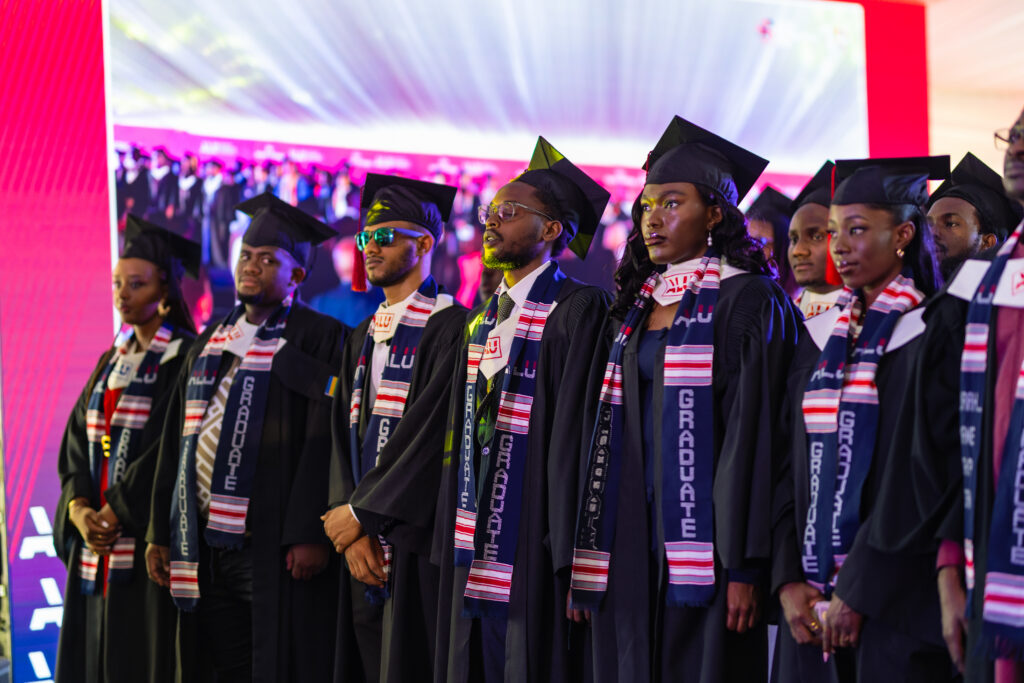
A total of 464 graduates earned qualifications that entitled them to teach, including at the primary school level. Of these, 431 were undergraduate graduates, while 33 completed the Postgraduate Diploma in Strategic Management.
Public resources for lifelong learning
ALU expands access to learning beyond its enrolled students through digital resources and open knowledge platforms. Its collaboration with Coursera broadens access to high-quality, job-relevant online learning for African learners. The School of Wildlife Conservation’s open-source Circular Economy Database also gives the public access to research, reports, policy papers, and case studies on circular economy approaches across Africa.
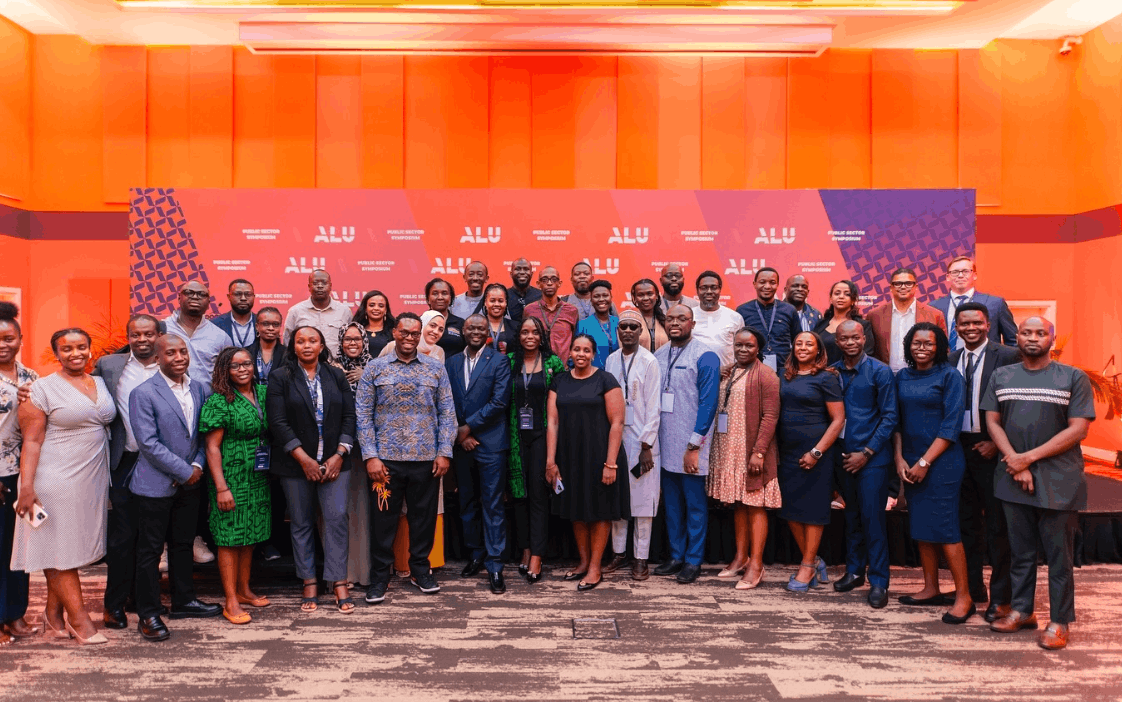
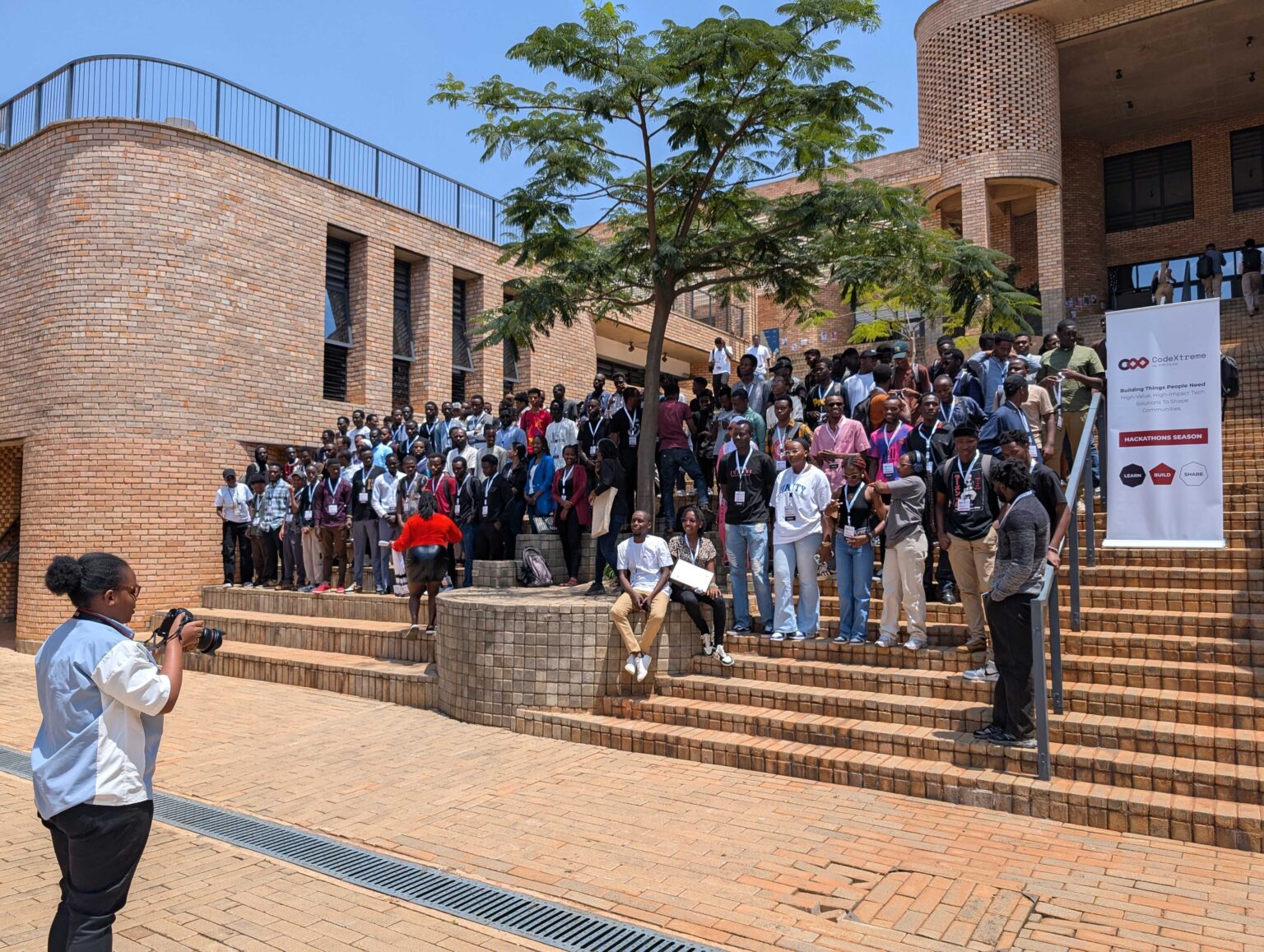
ALU hosts educational events that extend learning to wider communities. The Public Sector Symposium brings together government and public-sector leaders to explore service design, leadership, and social change. The Meta-sponsored hackathon at the ALU AI Symposium provides a practical platform for participants to develop ethical artificial intelligence solutions for social good.
The SoCreative eLearning Programme, delivered through collaboration between ALU and the British Council, supports aspiring and early-stage creative entrepreneurs. The programme combines vocational and entrepreneurial learning to strengthen practical skills in creativity, leadership, innovation, and enterprise for impact.
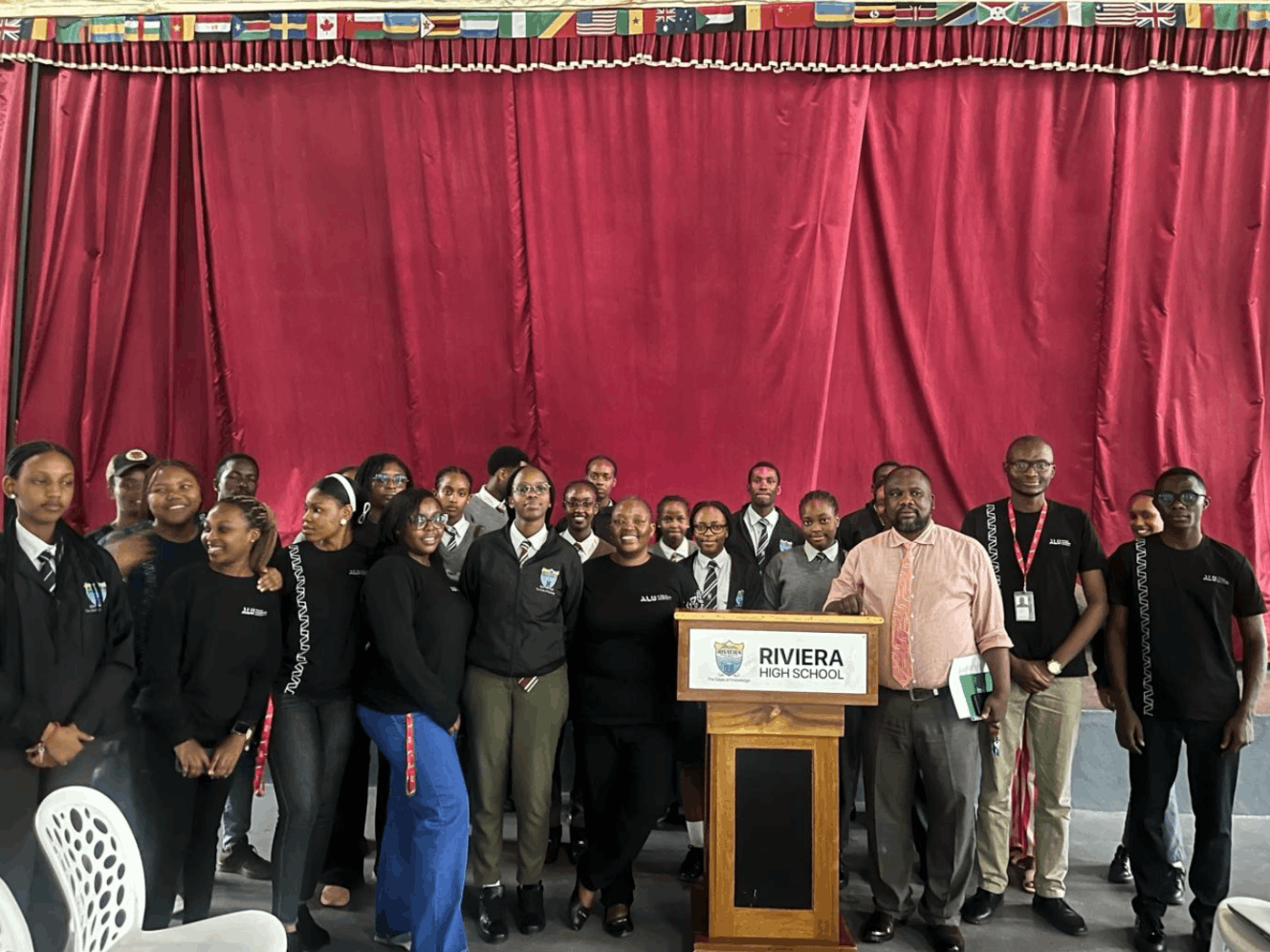
ALU undertakes educational outreach beyond campus – tailored lectures, demonstrations, and voluntary student-run schemes in local schools and the wider community – delivered both ad hoc and on a programmed basis (at least twice a year).
ALU maintains a policy ensuring that access to its lifelong learning activities is open to all, regardless of ethnicity, religion, disability, immigration status, or gender.
ALU tracks the proportion of first-generation students in its incoming class. In the reported period, 1,281 of 2,612 students starting a degree were first-generation students –approximately 49%.