Working with partners to turn education, research, and leadership into measurable progress.
UN goal statement
Strengthen the means of implementation and revitalise the global partnership for sustainable development.
Overview
ALU’s mission is advanced through partnerships. Across education, entrepreneurship, leadership development, conservation, research, public dialogue, and institutional growth, ALU works with partners who share a commitment to Africa’s future and to the development of ethical, entrepreneurial leaders.
These partnerships span universities, employers, foundations, governments, NGOs, international organisations, innovation networks, community actors, and alumni. They strengthen access to education, expand student opportunities, support applied learning, advance research and knowledge sharing, and connect ALU’s work to the wider systems shaping Africa and the world.
SDG 17 is a cross-cutting goal for ALU. It reflects how the institution collaborates to build capacity, share knowledge, support public dialogue, contribute to policy and practice, and create opportunities for students, graduates, and communities to make a measurable difference.
SDG Highlights
Explore data points, programmes, reports, stories, and resources connected to this goal.
Relationships with NGOs/government for SDG policy
The Africa Health Collaborative hosted its third annual Convening from 20–24 October 2025 in Kigali, bringing together health leaders, policymakers, international universities, foundations, and investors to strengthen inclusive primary healthcare systems across Africa. ALU’s CHII team contributed as core organisers and participants, demonstrating sustained engagement in regional policy dialogue.
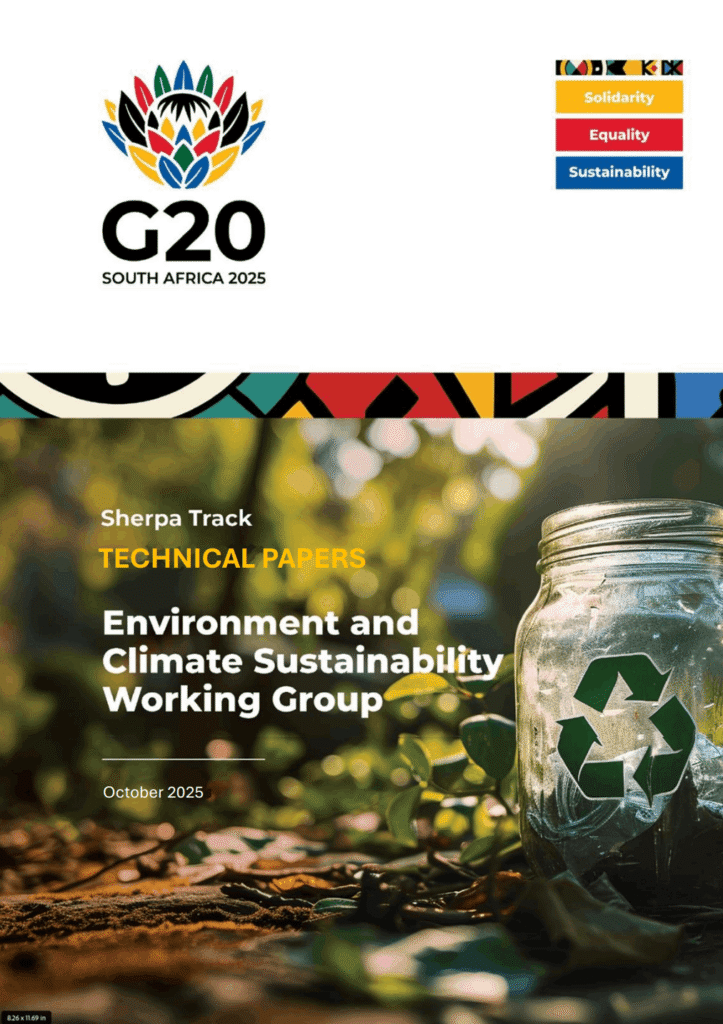
ALU’s School of Wildlife Conservation co-authored two technical papers for the G20 Environment and Climate Sustainability Working Group during South Africa’s 2025 G20 Presidency, contributing evidence and analysis to multilateral discussions on sustainability and the SDGs.
ALU’s School of Wildlife Conservation supports regional collaboration on wildlife-economy data and knowledge through the SADC Wildlife-Based Economy Strategy Framework. This work contributes to coordinated evidence gathering that can inform conservation and sustainable-development policy across the region.
The School of Wildlife Conservation participated in the inaugural regional workshop on nature-based tourism in the Blue Economy, hosted by the Western Indian Ocean Marine Science Association. The workshop supported regional knowledge exchange and comparative learning on sustainable marine and coastal tourism.
ALU collaborates with conservation organisations through credit-bearing global learning experiences that expose students to the business and practice of conservation. These immersive experiences connect academic learning with field-based problem-solving, community engagement, and the development of sustainable conservation models.
Education for SDGs: specific courses on sustainability
ALU offers an Executive MBA pathway for conservation leaders that integrates sustainability, biodiversity, natural capital, conservation finance, and policy into executive business education. The programme equips leaders to incorporate environmental and social considerations into strategic decision-making.
The long-term coalition between African Leadership University and &Beyond advances conservation and wildlife-economy knowledge through masterclasses, immersive learning experiences, and cross-sector engagement involving students, practitioners, and communities.
The School of Wildlife Conservation offers CPD-accredited professional development courses that build practical sustainability literacy across the conservation and natural-resource sectors. Participants apply sustainability concepts and frameworks to real-world African cases and professional contexts.
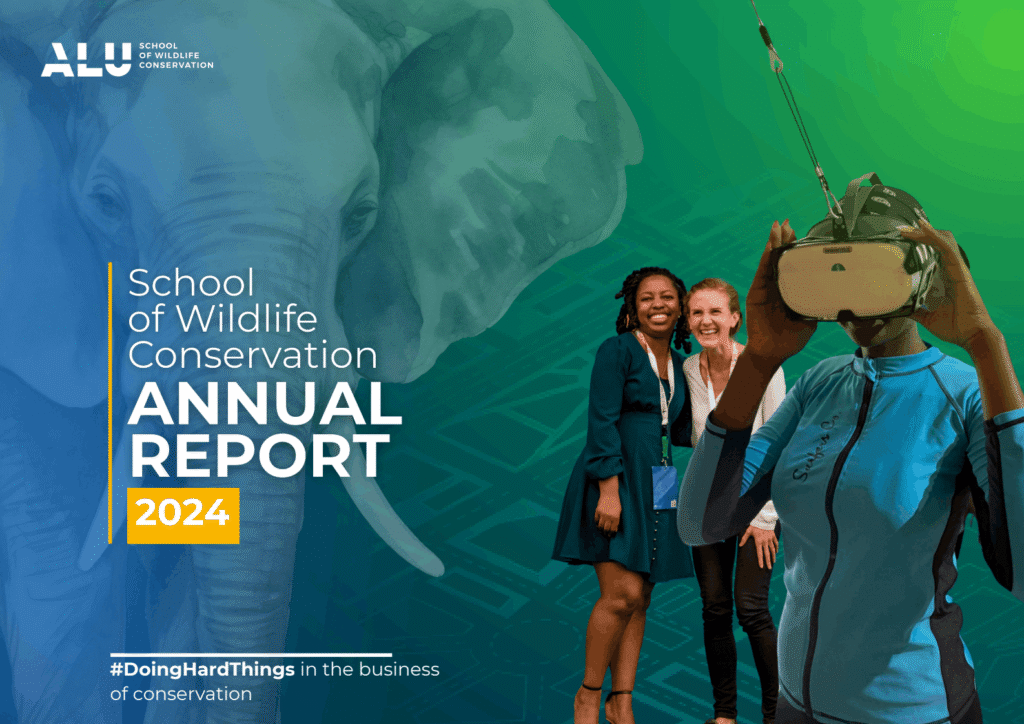
ALU makes its School of Wildlife Conservation 2024 Report publicly available as evidence of institutional progress and activity connected to SDG 15, including conservation education, knowledge development, and sector engagement.
Education for SDGs: commitment to meaningful education
ALU’s mission-based learning model enables students to organise their education around major challenges and opportunities facing Africa and the world. This approach embeds purpose, problem-solving, and SDG-aligned themes across the student learning experience.