Africa’s land ecosystems are central to the continent’s future. They sustain communities, food systems, biodiversity, tourism, livelihoods, climate resilience, and long-term economic opportunity. ALU’s work connected to SDG 15 focuses on the leaders, knowledge, and partnerships needed to protect and restore these ecosystems while building sustainable pathways for people and nature to thrive together.
Through the School of Wildlife Conservation and related institutional initiatives, ALU advances conservation leadership, wildlife economies, biodiversity education, sustainable tourism, community engagement, policy dialogue, and practical approaches to land stewardship. This work connects students, researchers, conservation practitioners, policymakers, entrepreneurs, and partners working across Africa’s natural landscapes.
ALU’s contribution also includes learning and public engagement around sustainable land management, biodiversity, ecosystem restoration, responsible resource use, environmental practice, and the role of African leadership in shaping a more sustainable future for the continent’s land and natural heritage.
Explore data points, programmes, reports, stories, and resources connected to this goal.
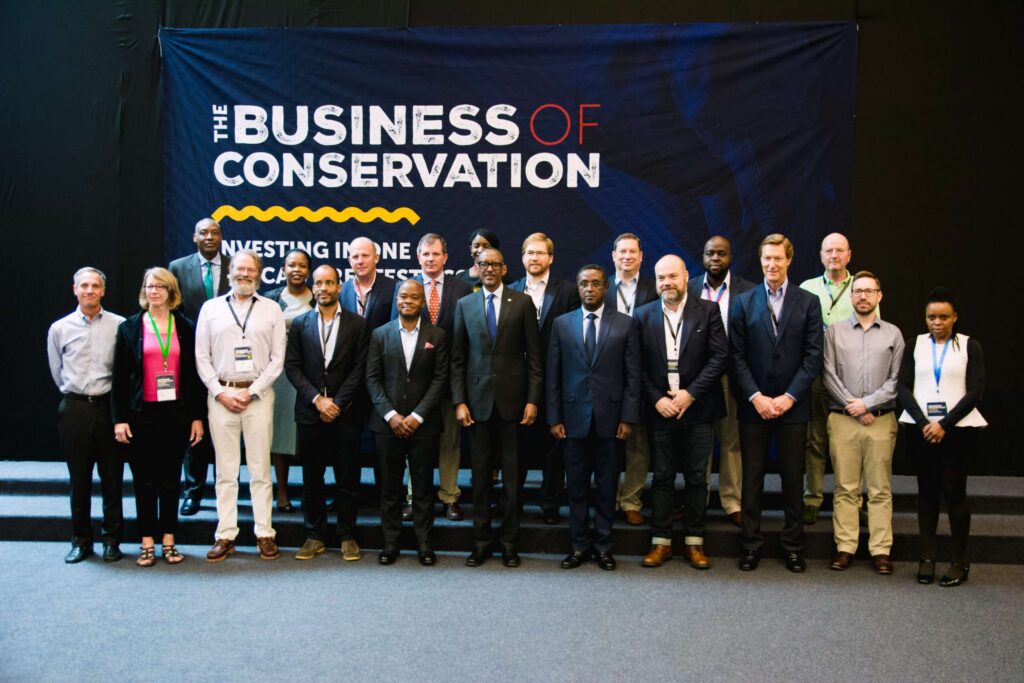
The Business of Conservation Conference (BCC 2023), hosted by the ALU School of Wildlife Conservation, convened leaders from government, the private sector, NGOs, and academia to advance the sustainable use of land and wildlife resources. The event positioned conservation as a driver of economic development through responsible investment in biodiversity, wildlife habitats, and landscape-based economic models.
The African Leadership University School of Wildlife Conservation contributes to the Bachelor of Entrepreneurial Leadership through the Planetary Health pathway, which integrates conservation, sustainable land management, and community-centred problem solving into undergraduate education. The pathway combines interdisciplinary learning, field placements, and partnerships with conservation organisations and communities to help students co-develop solutions that strengthen ecosystem stewardship, resilient landscapes, and sustainable livelihoods across Africa.
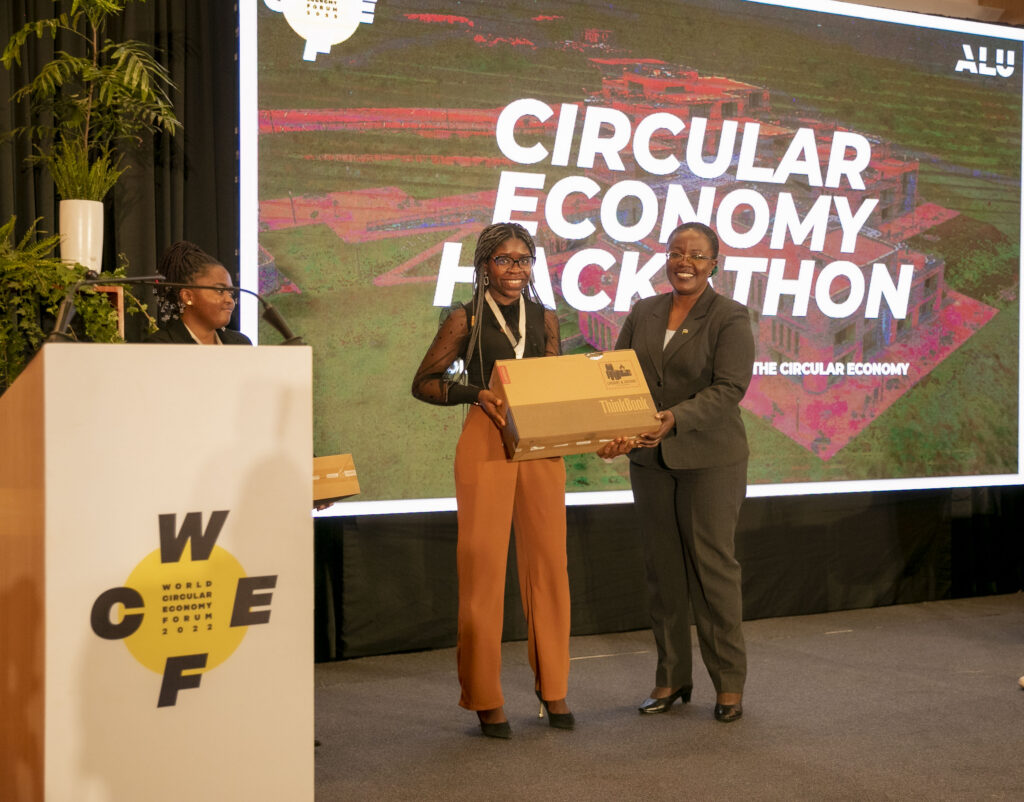
The partnership between African Leadership University and the Ellen MacArthur Foundation supports the integration of circular economy principles into food systems, including regenerative agricultural practices, waste-to-resource systems, and campus-based food production initiatives. These activities promote sustainable land use and nature-positive food systems that contribute to biodiversity conservation and ecosystem regeneration.
The Campus Biodiversity, Green Space and Ecological Management Programme sets out how ALU manages its green spaces and ecological assets as functional environmental infrastructure, rather than merely as ornamental landscaping. It provides an institutional framework for protecting and enhancing plant and animal biodiversity through ecological planning and responsible campus stewardship.
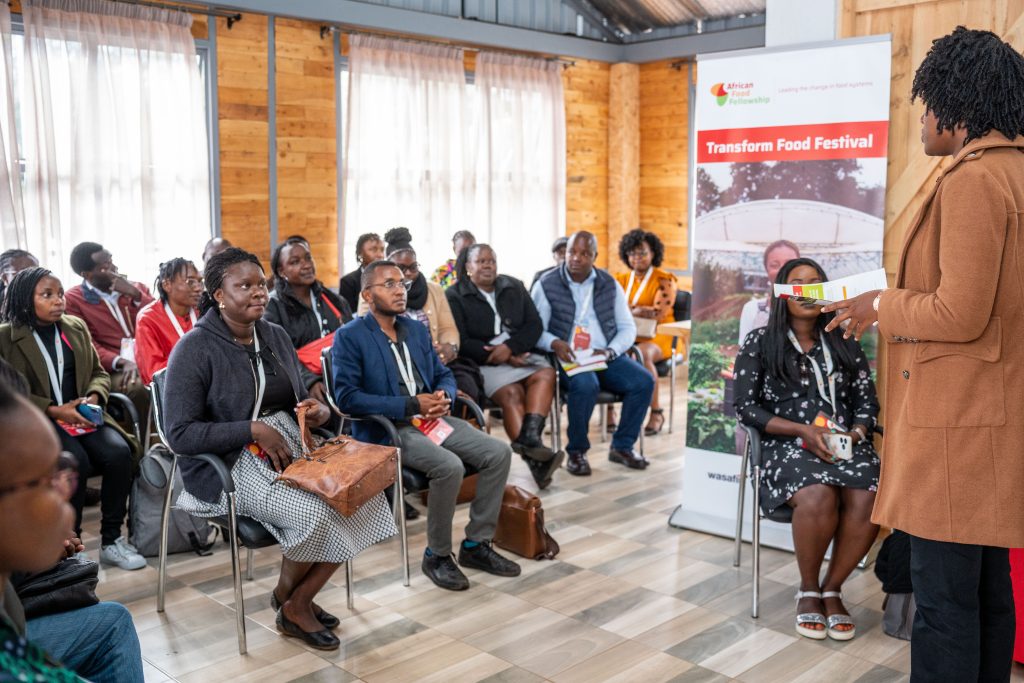
The African Food Fellowship and African Leadership University partnership delivers structured educational outreach aimed at strengthening food systems leadership and promoting sustainable land use in agriculture. The programme engages emerging leaders through training, mentorship, and applied learning to support regenerative and environmentally sustainable agricultural practices across African food systems.
The Wild Economy Masterclass, delivered through a partnership between the African Leadership University School of Wildlife Conservation and &Beyond, provides structured outreach on sustainable eco-tourism and responsible land use. The programme engages students and practitioners in applied learning on conservation-based tourism models that connect wildlife, landscapes, and local economic development while promoting responsible stewardship of natural ecosystems.
ALU’s collaboration with the Government of Rwanda to accelerate pathways towards a circular and green economy provides an institutional platform for environmental education, innovation, and action. The partnership supports more sustainable resource use and strengthens the leadership and knowledge required to conserve and restore terrestrial ecosystems.
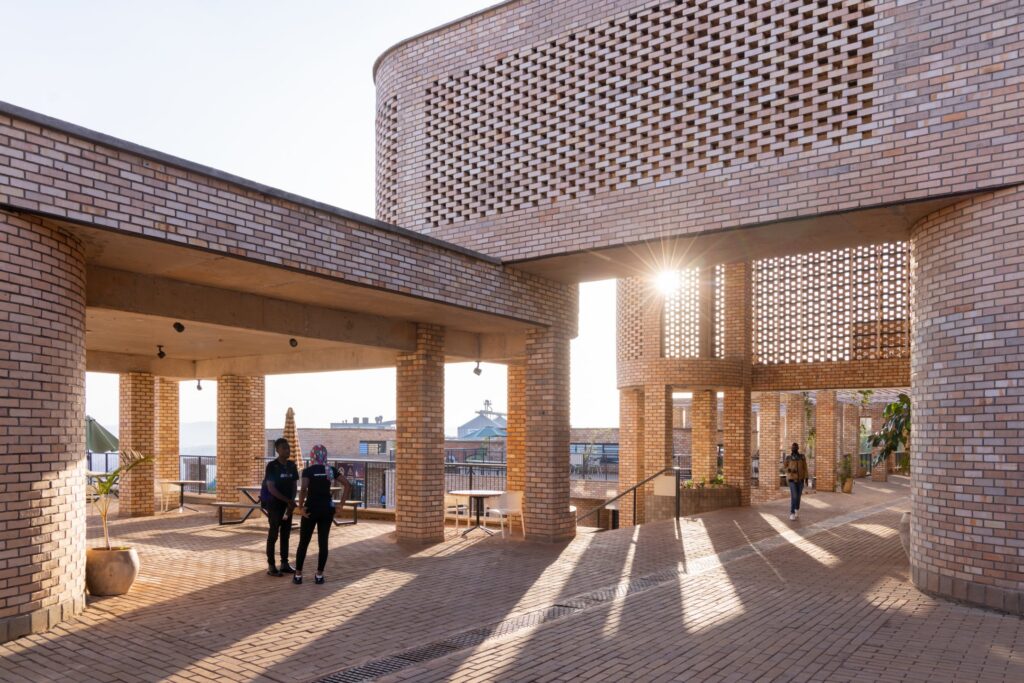
The African Leadership University Kigali campus planning documentation outlines an environmentally responsive design process in which building placement, site topography, and landscape integration were considered within a constrained 6.5-hectare site. The masterplan retains significant open and landscaped areas alongside the built footprint, reflecting ecological site responsiveness and reduced disturbance of the natural terrain.
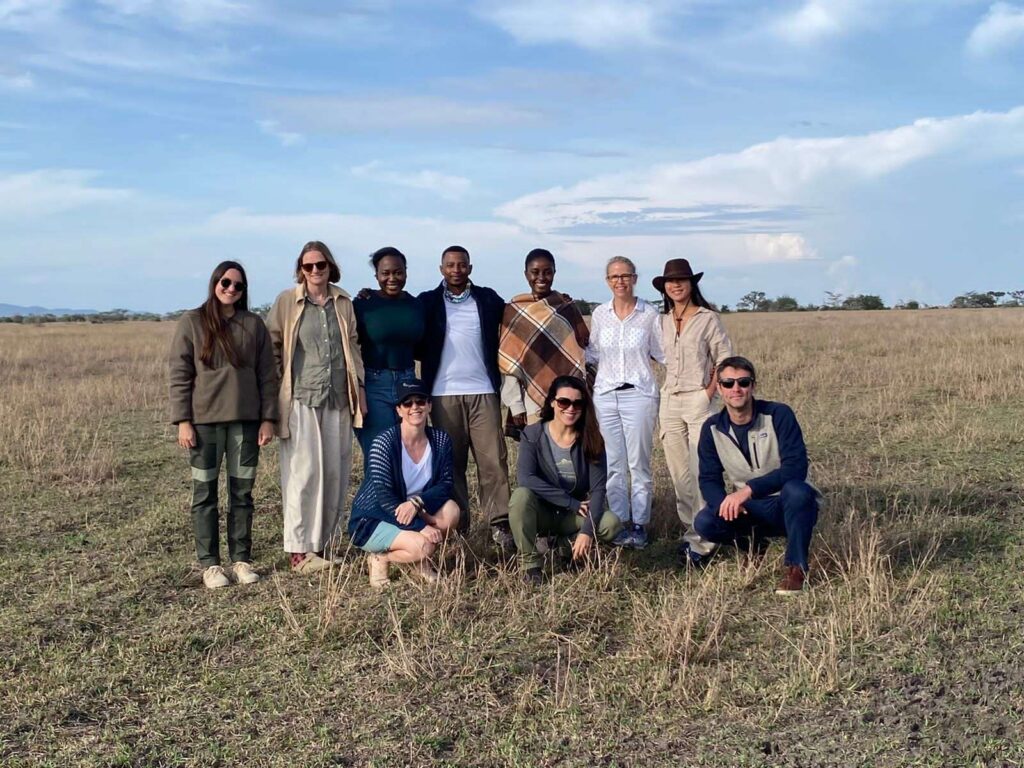
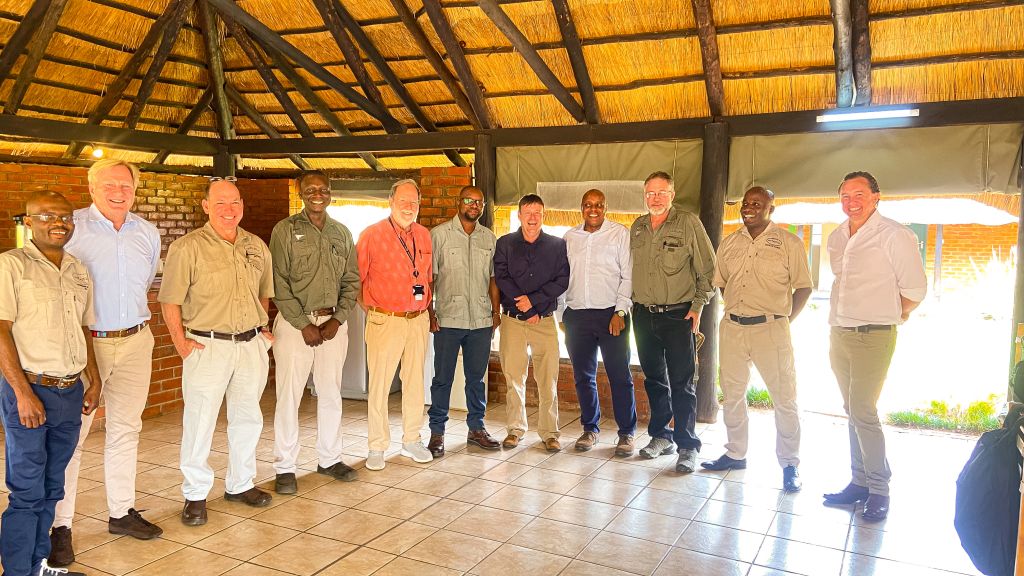
The Shangani Holistic Centre of Conservation Excellence, delivered through a partnership between the African Leadership University School of Wildlife Conservation, Oppenheimer Generations Research and Conservation, and Shangani Holistic Ranch, provides a structured collaboration focused on shared land stewardship and applied conservation practice. The programme integrates experiential learning, applied research, and field-based training on working landscapes to support sustainable land use and conservation-oriented management of wildlife and ecosystems.
The Water Management and Discharge Quality Policy Guideline provides a comprehensive framework for managing water use, wastewater, stormwater, drainage, and discharge quality at the ALU campus. It supports the protection of terrestrial ecosystems, wildlife, and human wellbeing through responsible water management practices.
The Waste, Plastic Use Reduction and Sustainable Materials Management Policy establishes ALU’s commitment to reducing waste, limiting single-use plastics, and promoting sustainable materials across campus operations. These measures help reduce land pollution and protect surrounding ecosystems from the impacts of plastic waste.